Fetch
Fetch
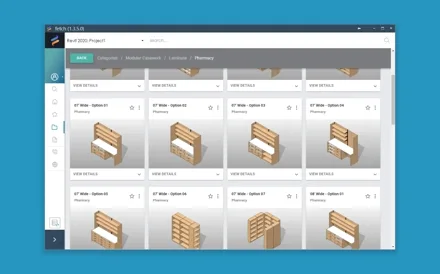
A Revit plugin that puts manufacturer-accurate families one click away and keeps them synced to live product data.
- Revit
- C#
- React
things I've made
A Revit plugin that puts manufacturer-accurate families one click away and keeps them synced to live product data.
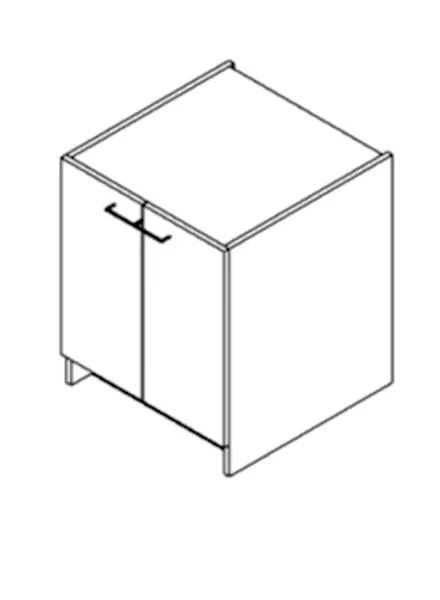
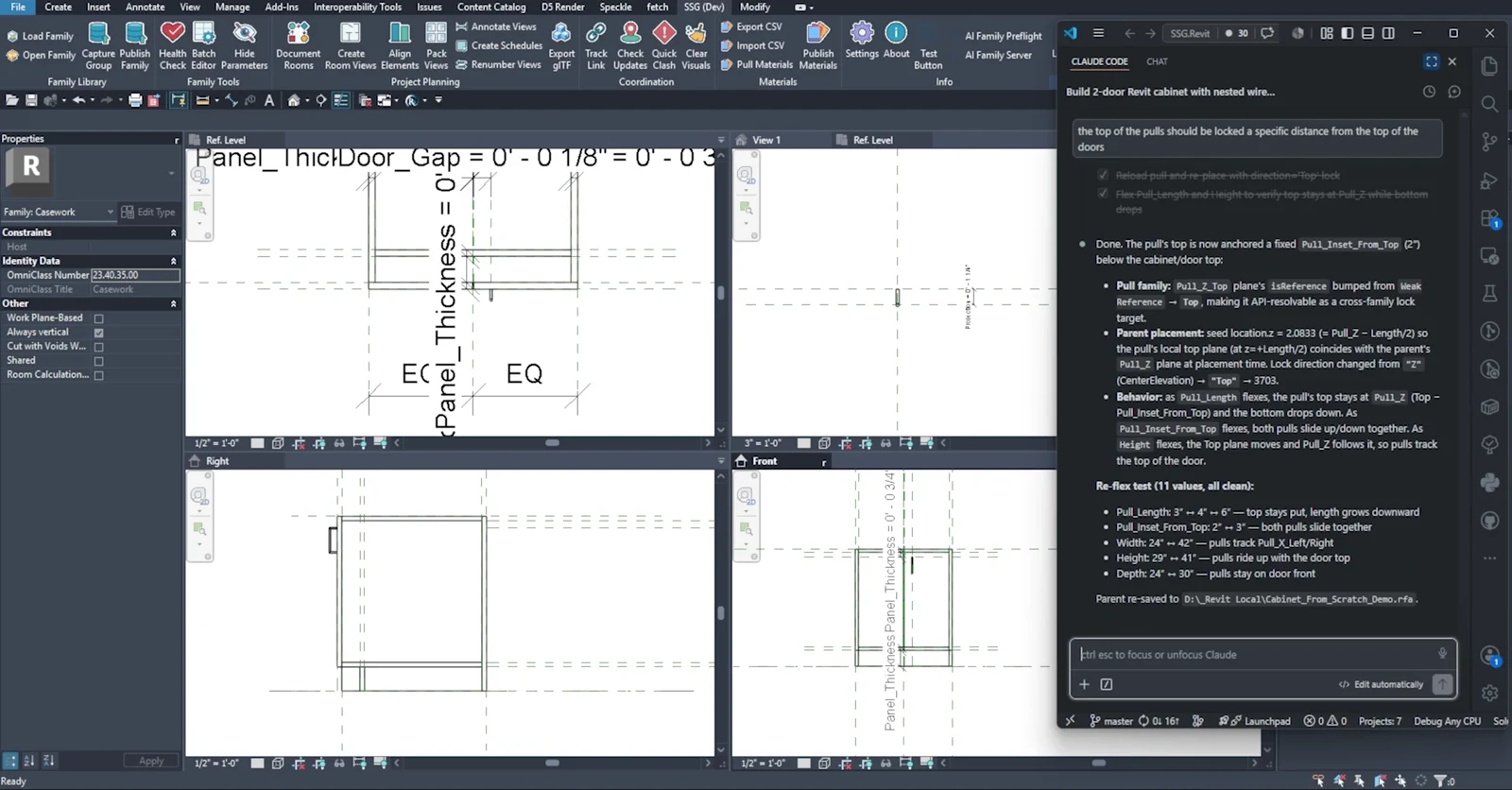
Gives an AI agent the Revit Family Editor, so a product cut sheet becomes a family that flexes correctly.
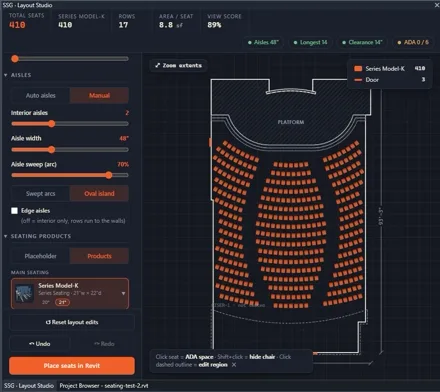
Space planning inside Revit. Import a room, lay out the seats, then place them in the model.
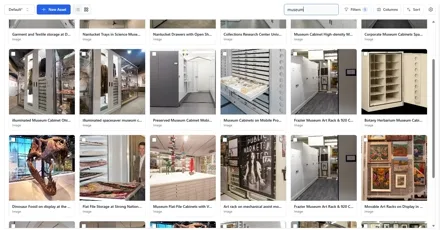
One record for SSG product data. Hundreds of manufacturers, one structure, read by Fetch and every tool after.
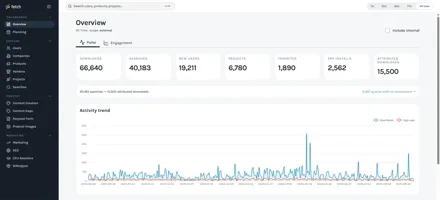
Who uses Fetch, which families they download, and which searches come back with nothing.

Redesign of fetchbim.com. Identity, a component library, and the pages architects use to find Revit families.

pyRevit scripts that enforced our Revit content standard, later rebuilt in C# as the plugin the team uses now.
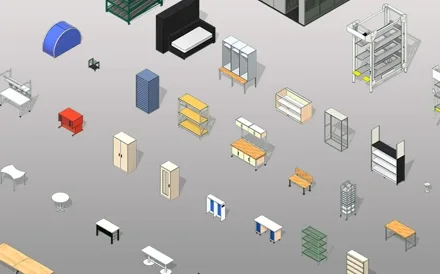
SSG's move to BIM. I wrote the content standard the library still runs on, covering naming, parameters and detail.

Cover and interior for a poetry collection, in print and ebook, where the layout has to hold the line breaks.

Drag · throw · click to flip · 9 projects
The problem. Building a parametric Revit family by hand is slow work. Extrusions, revolves, sweeps, reference planes, parameters, all wired up by someone who has done it a thousand times.
What I built. Revit MCP hands the Family Editor to an AI agent as a set of tools. Give it a product image or a cut sheet and it builds the chassis first, reference planes and parameters, then the geometry on top, then flexes the family through the value ranges a specifier would use and fixes what breaks.
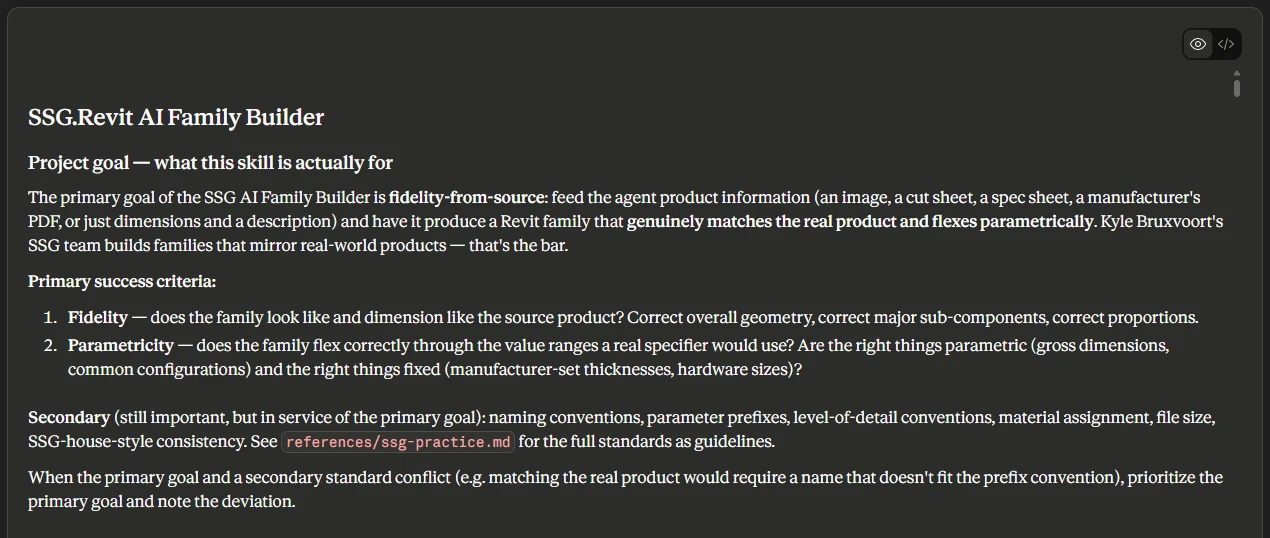
Two things decide whether the result is any good, and neither is whether it produced a file. Fidelity, meaning it matches the real product's proportions and sub-components. Parametricity, meaning the right things flex and the right things stay put, so gross dimensions move and a manufacturer-set panel thickness does not. Where the two fight, fidelity wins and the deviation gets written down.