Fetch
Fetch
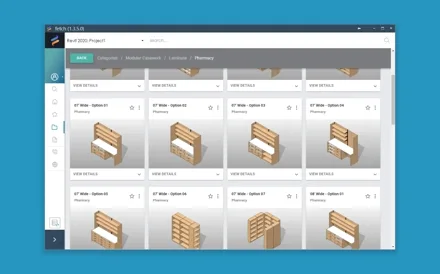
A Revit plugin that puts manufacturer-accurate families one click away and keeps them synced to live product data.
- Revit
- C#
- React
things I've made
A Revit plugin that puts manufacturer-accurate families one click away and keeps them synced to live product data.
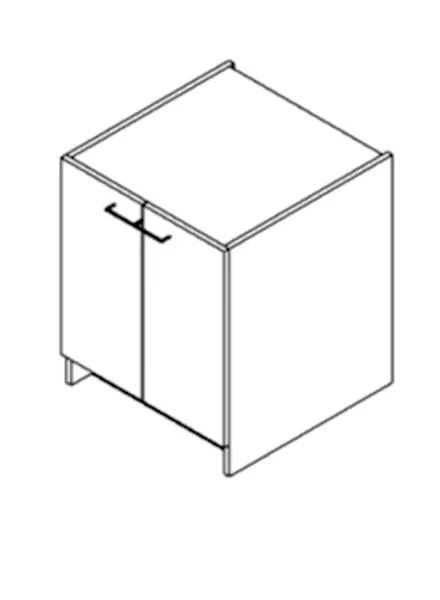
Gives an AI agent the Revit Family Editor, so a product cut sheet becomes a family that flexes correctly.
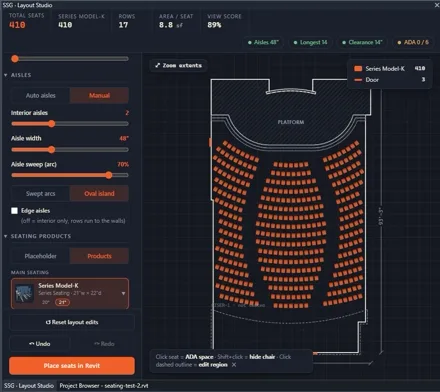
Space planning inside Revit. Import a room, lay out the seats, then place them in the model.
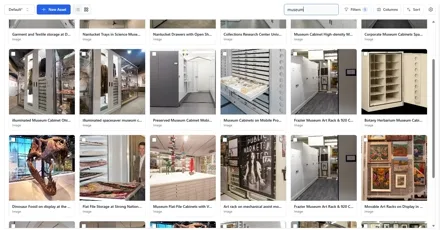
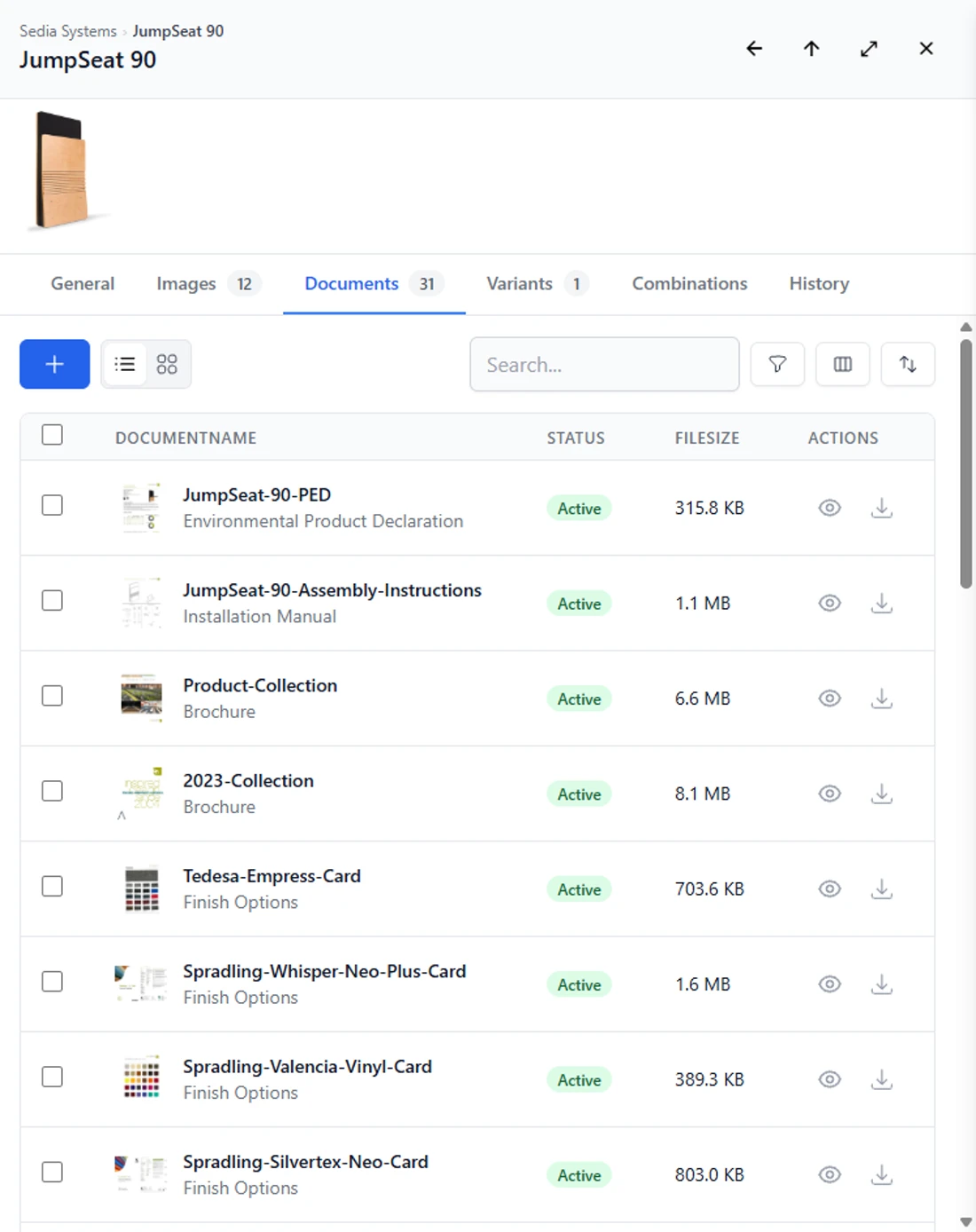
One record for SSG product data. Hundreds of manufacturers, one structure, read by Fetch and every tool after.
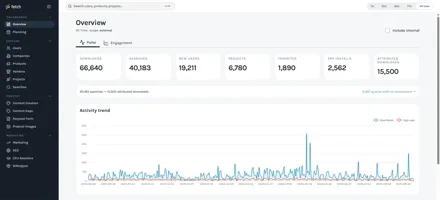
Who uses Fetch, which families they download, and which searches come back with nothing.
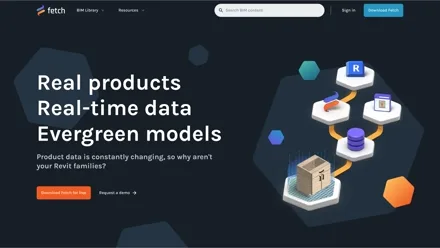
Redesign of fetchbim.com. Identity, a component library, and the pages architects use to find Revit families.
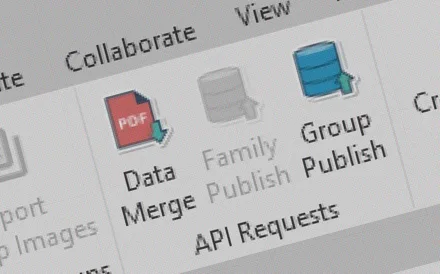
pyRevit scripts that enforced our Revit content standard, later rebuilt in C# as the plugin the team uses now.
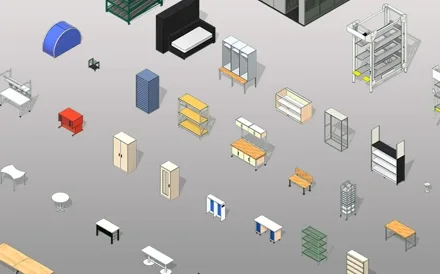
SSG's move to BIM. I wrote the content standard the library still runs on, covering naming, parameters and detail.
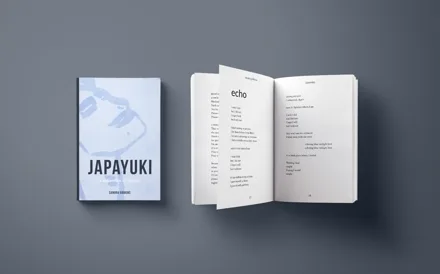
Cover and interior for a poetry collection, in print and ebook, where the layout has to hold the line breaks.

Drag · throw · click to flip · 9 projects
The problem. Product data arrived from hundreds of manufacturers in as many shapes. A spreadsheet here, a PDF price list there, images named by whoever exported them. Every tool we built solved that mess again from scratch.
What I built. Cipher is the one record. A product carries its images, its documents, its technical data, its variants and its price, and everything downstream reads from there instead of importing its own copy.
The hard call was variants. A product can be permuted a thousand ways, and modelling every permutation makes the data unusable. Only the axes that change the price count as a variant, so finish and colour are attributes of one product rather than products of their own. That rule is the difference between a catalogue a salesperson can quote from and a combinatorial explosion. I lead product here, which means scope, the data model, and what the team builds next.