Fetch
Fetch
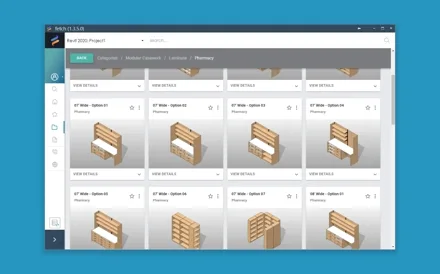
A Revit plugin that puts manufacturer-accurate families one click away and keeps them synced to live product data.
- Revit
- C#
- React
things I've made
A Revit plugin that puts manufacturer-accurate families one click away and keeps them synced to live product data.
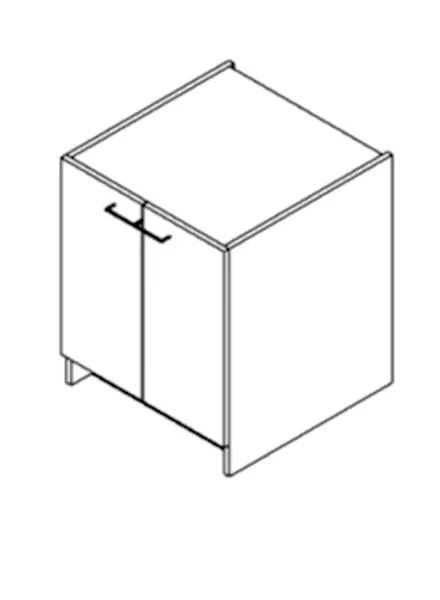
Gives an AI agent the Revit Family Editor, so a product cut sheet becomes a family that flexes correctly.
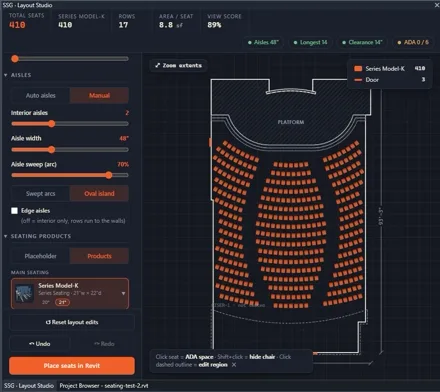
Space planning inside Revit. Import a room, lay out the seats, then place them in the model.
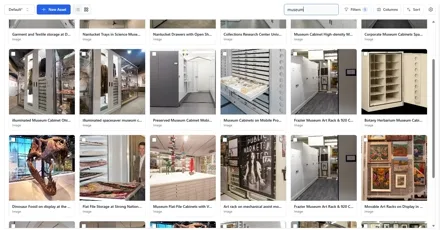
One record for SSG product data. Hundreds of manufacturers, one structure, read by Fetch and every tool after.
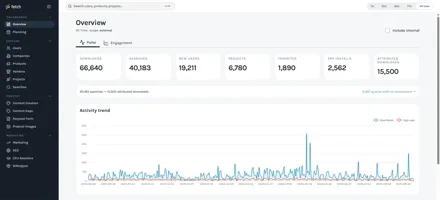
Who uses Fetch, which families they download, and which searches come back with nothing.
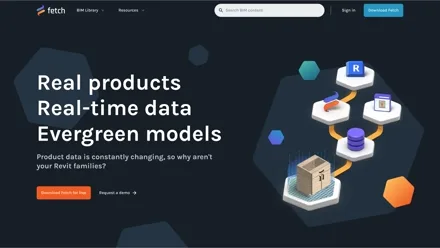
Redesign of fetchbim.com. Identity, a component library, and the pages architects use to find Revit families.
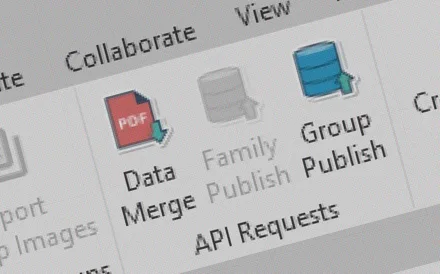
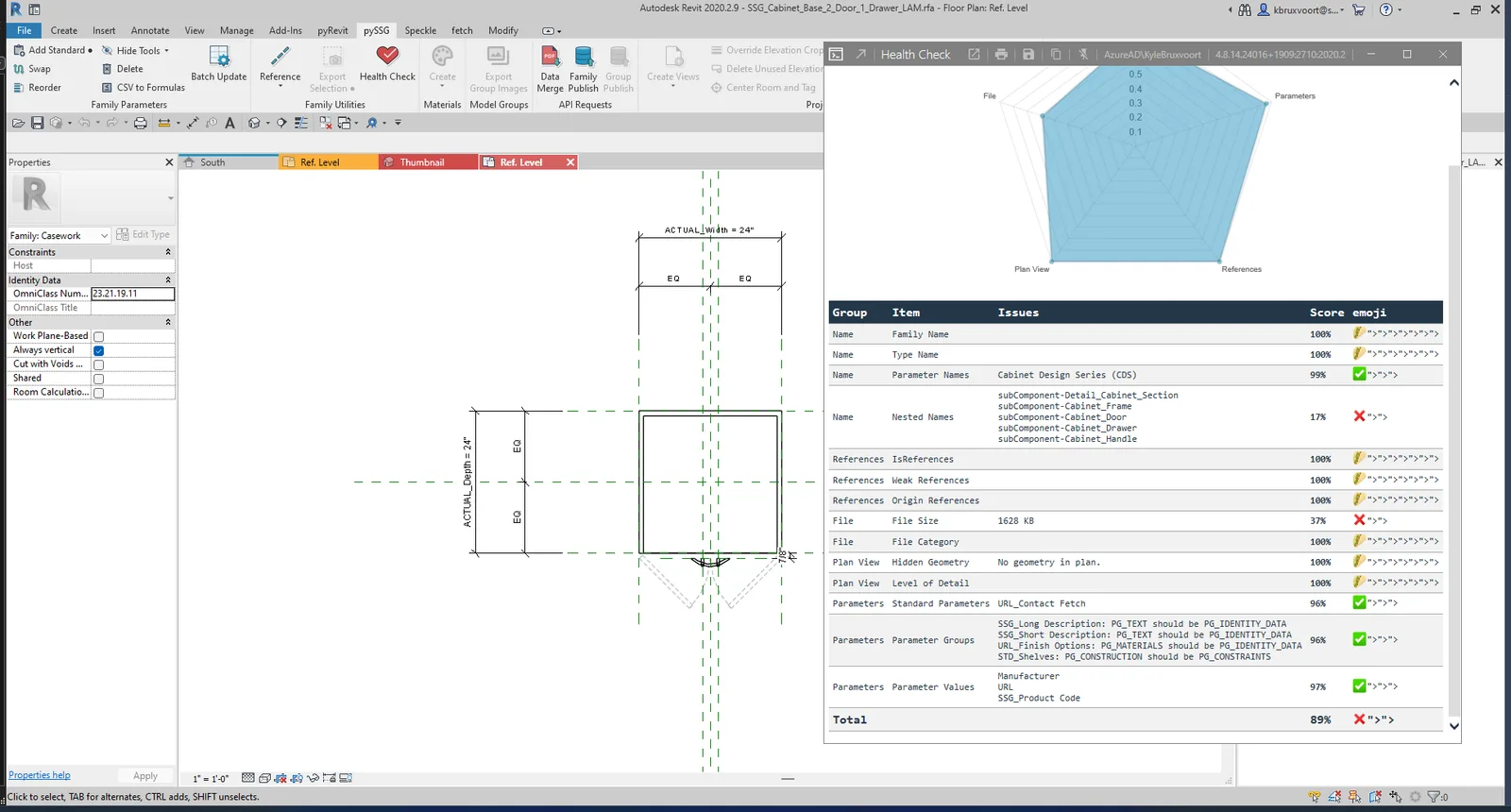
pyRevit scripts that enforced our Revit content standard, later rebuilt in C# as the plugin the team uses now.
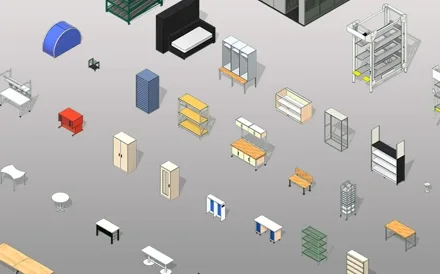
SSG's move to BIM. I wrote the content standard the library still runs on, covering naming, parameters and detail.
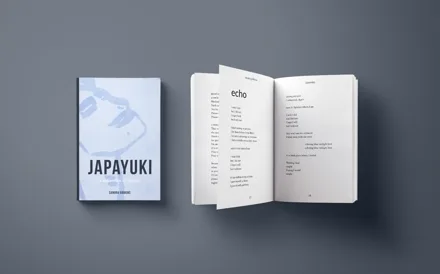
Cover and interior for a poetry collection, in print and ebook, where the layout has to hold the line breaks.

Drag · throw · click to flip · 9 projects
The problem. A content library only holds its standard if something checks. Ours had a written standard and no way to enforce it, so families drifted the moment anyone edited one.
What I built. Health Check scores a family against the standard and shows where it fails. Nested family names, missing reference planes, parameters in the wrong group, geometry that will not show in plan. Batch Update applies a parameter change across the whole library instead of one file at a time. Auto Dimension places the dimensions a family needs to flex.
I wrote it in Python on pyRevit because that put it in people's hands in a week. It ran there for two years. Then the same tools got rebuilt in C# inside our own Revit plugin, where they sit behind a command palette alongside everything else the team uses, and where an AI render can now turn a finished family into a product photo. The Python version is how we knew which tools were worth writing twice.